The revolution is the protocol. In advertising, protocols solve coordination problems at scale. For example, before RTB, buying from 50 publishers meant 50 different relationships and custom processes. RTB created a standard auction language—suddenly you could access thousands of publishers because everyone spoke the same way.
Category: AI and Technology
What is AI Psychosis? Why Using AI is very Different than a Google Search
The primary factor enabling AI psychosis is a mismatch between how easy AI systems appear to use and how difficult they are to use competently. This creates a dangerous overconfidence gap where people believe they’re operating sophisticated cognitive tools effectively while potentially degrading their own thinking capabilities.
The Irreducible Human Core: 8 Capabilities That Make You More Valuable Than AI
We already tried making humans into machines with SaaS workflows and ticket queues. Everyone lost. And now the real machines are here. AI can do a lot of things better than humans but here’s what it can’t do- and never will.
Thriving in the AI-Age: How to be a Generative Human using Generative AI as your Cognitive Workbench
A generative human is someone who uses AI to amplify their capacity to create original insights, novel solutions, and new value rather than just consuming AI’s outputs. Generative humans become more capable, more creative, and more valuable over time because each interaction with AI enhances their thinking abilities rather than replacing them.
Want to Use AI Better? Identify Your Use Case First
Since OpenAI’s GPT-5 model started rolling out last week, people ask me the same thing: “How do I use AI better?” The answer is simpler than you think, but it requires a shift in how you approach the problem. Instead of focusing on techniques and prompts, you need to identify your use case first.
The AI Slang Dictionary: The 55 Terms Everyone Should Know in August 2025
I usually write about big-picture paradigm shifts, but lately I’ve noticed something: while we’re all living through the AI revolution, many people are struggling with the basics—understanding what everyone is actually talking about.
The Parasite’s Dilemma: How AI Destroys the Quality Information Supply Chain It Depends On
AI systems face a fundamental paradox. They depend entirely on quality information for training, yet they’re systematically destroying the economic infrastructure that creates that information.
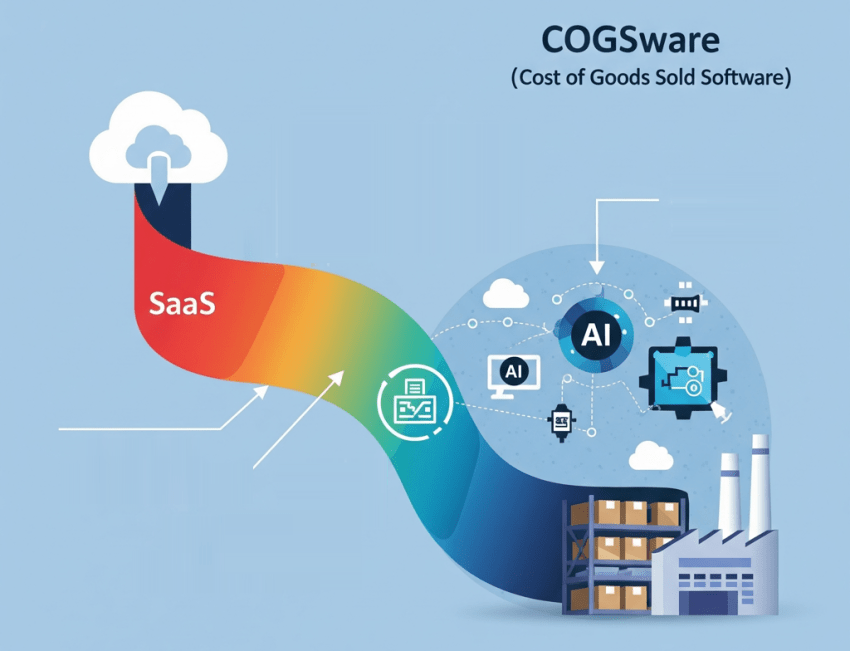
From SaaS to COGSware: Why the AI cognition economy changes everything about software margins
Welcome to “COGSware”—software that looks like SaaS but behaves economically like manufacturing. AI has reintroduced the COGS reality that software escaped for twenty years. Every time your app calls an AI model, every automated task, every smart recommendation—it all costs money that scales with usage, just like manufacturing physical products.
Goodbye Attention Economy, Hello Cognition Economy: From Books to Bots
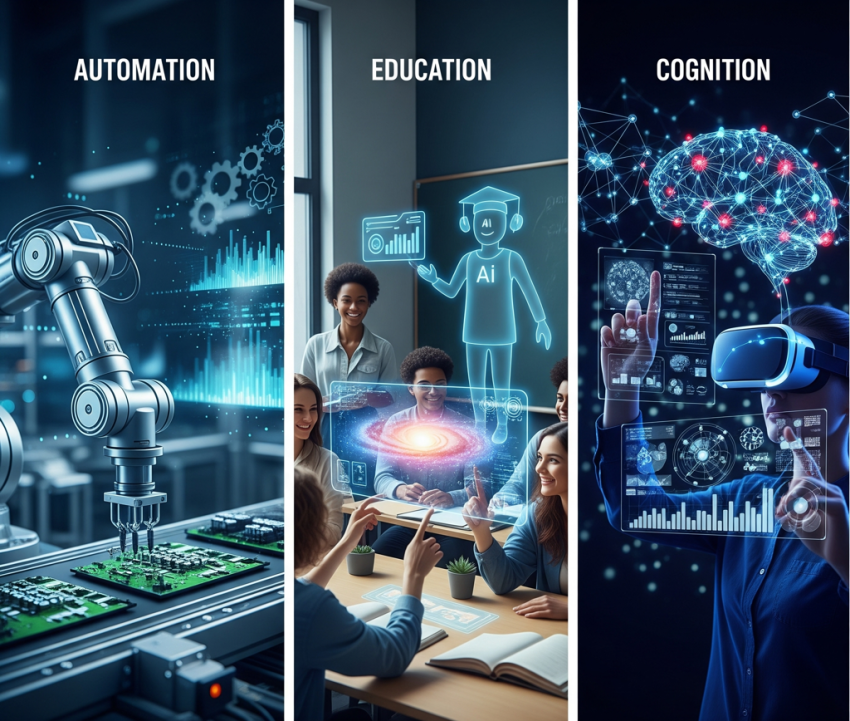
Originally posted to my LinkedIn newsletter Monday AI. A Shift in Medium, A Shift in Mind In the past, people wrote books. Now people post on social media. In the future, they’ll release agents. This fundamental transformation signals a paradigm shift in how human knowledge gets created, shared, and experienced. We’re moving from an era of static content consumption to one…
Robots.txt: The Birth of the Agentic Internet
How a 1990s text file reveals what we’re losing—and need to rebuild—in the age of AI agents In the mid-1990s, as the web rapidly expanded, website administrators faced a growing problem: bots. These were simple scripts written to crawl pages and index them for search engines. Harmless enough—until the traffic became overwhelming. Some bots would…