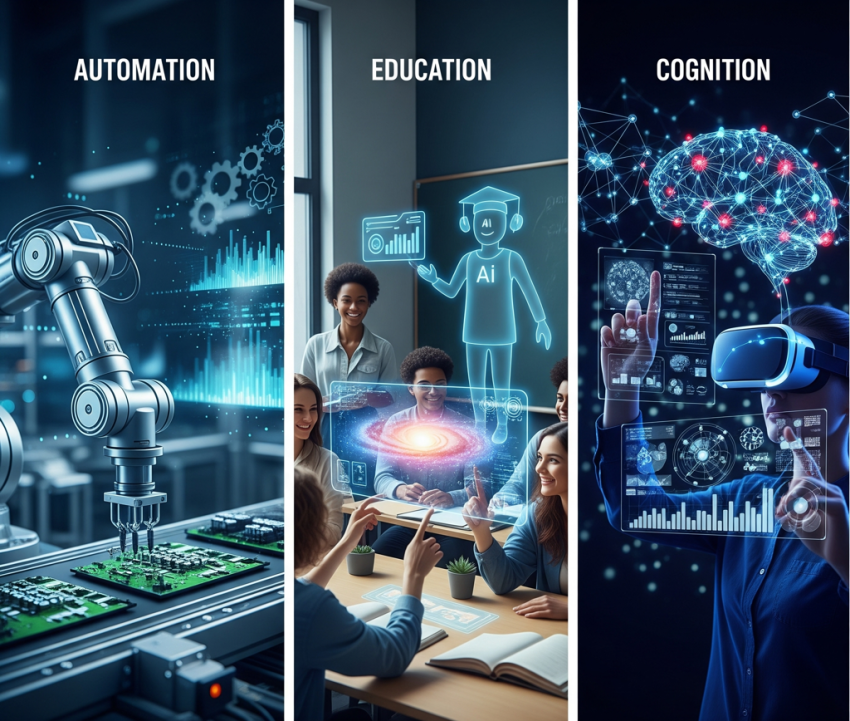
I usually write about big-picture paradigm shifts, but lately I’ve noticed something: while we’re all living through the AI revolution, many people are struggling with the basics—understanding what everyone is actually talking about.
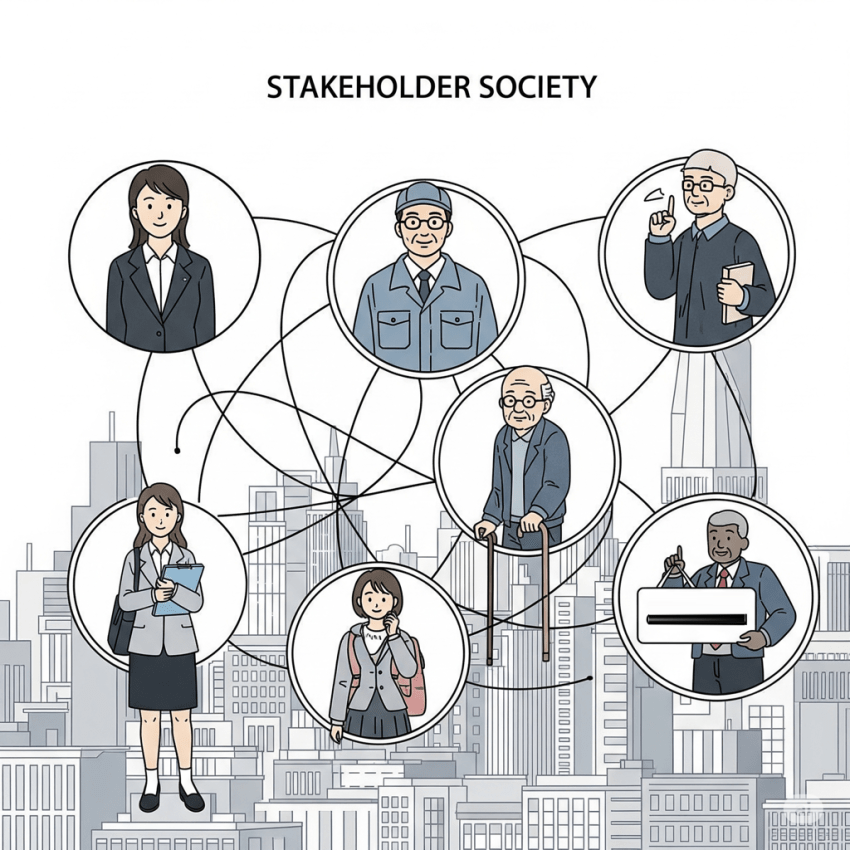
The Politics of Stakeholder Society: A New Way to Understand Left vs. Right
Typically, when I write about American politics, I start from an economic vantage point—dissecting theory and describing mechanisms of how material interests, class dynamics, and resource distribution shape our political divides. Today, I want to do the opposite: instead of analyzing how economic systems drive political behavior, I’m examining how fundamental ideological beliefs about social membership shape our economic and political choices.
The Parasite’s Dilemma: How AI Destroys the Quality Information Supply Chain It Depends On
AI systems face a fundamental paradox. They depend entirely on quality information for training, yet they’re systematically destroying the economic infrastructure that creates that information.
The Opportunity Economy Toolkit: What You Need to Unleash America’s Promise
The Opportunity Economy Toolkit gives you 10 concrete tools to decode economic propaganda, counter wealth extraction arguments, and build the political movement for an economy where genuine competition thrives and everyone has security to take risks.
50 Years of Economic Myths Have Delivered Americans Into Technofeudalism
For fifty years, oligarchs and concentrated wealth interests have systematically conditioned all Americans to accept artificial limits on our collective power. I reveal that we can organize together to build restoration.
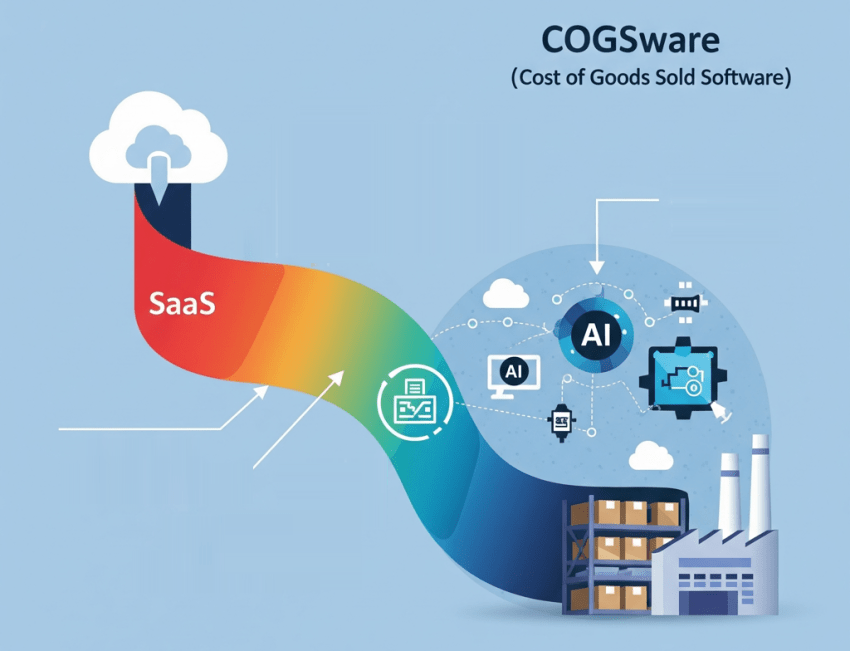
From SaaS to COGSware: Why the AI cognition economy changes everything about software margins
Welcome to “COGSware”—software that looks like SaaS but behaves economically like manufacturing. AI has reintroduced the COGS reality that software escaped for twenty years. Every time your app calls an AI model, every automated task, every smart recommendation—it all costs money that scales with usage, just like manufacturing physical products.
Introducing Opportunity Economics: How to Make Capitalism Work for Everyone
This is a living document that will expand as new policy analyses are published
Economics is not a Science
Economics claims to be a scientific discipline that discovers universal laws governing human behavior and market dynamics. This claim is demonstrably false.
How Corporate-Friendly Accounting Rules Create a $30 Trillion Transfer from Consumers into Wealthy Pockets
This essay reveals how accounting rules systematically block wealth-building for middle-class families while concentrating profits in wealthy pockets. When businesses depreciate equipment, they get tax benefits, but when your smartphone or car loses value through planned obsolescence, you get no protection—forcing you to spend on replacements that generate corporate profits rather than help you build wealth. The essay exposes this $30 trillion asymmetry, then proposes solutions including a Working Family Depreciation Tax Credit and Right to Repair legislation. Rather than pursuing anti-capitalist ideology while authoritarians reshape America, these practical progressive reforms demonstrate how to build better capitalism that expands wealth-building opportunities across society.
Your Mainstream Economics Decoder Ring
This document is your decoder ring for mainstream economics. It reveals 31 hidden assumptions and claims that economists and politicians use to make helpful policies seem impossible. Once you understand how this coded language works, you’ll never be fooled by economic arguments designed to limit what seems possible.